



The Ultimate Southern Utah Photography Day Trip

Updated: May 30
Zion, Bryce Canyon, Cedar Mountain & Cedar Breaks in One Day
Southern Utah is one of the few places in the world where you can photograph massive red rock canyons, alpine forests, mountain overlooks, hoodoos, and glowing sunsets all within a single day. If you plan your route carefully, it is possible to experience some of the best photography locations in the state during one unforgettable road trip.
One of my favorite things about this drive is how quickly the landscape changes. You can begin the day surrounded by the towering canyon walls of Zion National Park, drive through the high forests of Cedar Mountain, photograph the hoodoos of Bryce Canyon National Park, and finish the evening watching sunset light ignite the cliffs of Cedar Breaks National Monument.
"For landscape photographers, it honestly feels like driving through several different worlds in a single day."
Start Early in Zion National Park
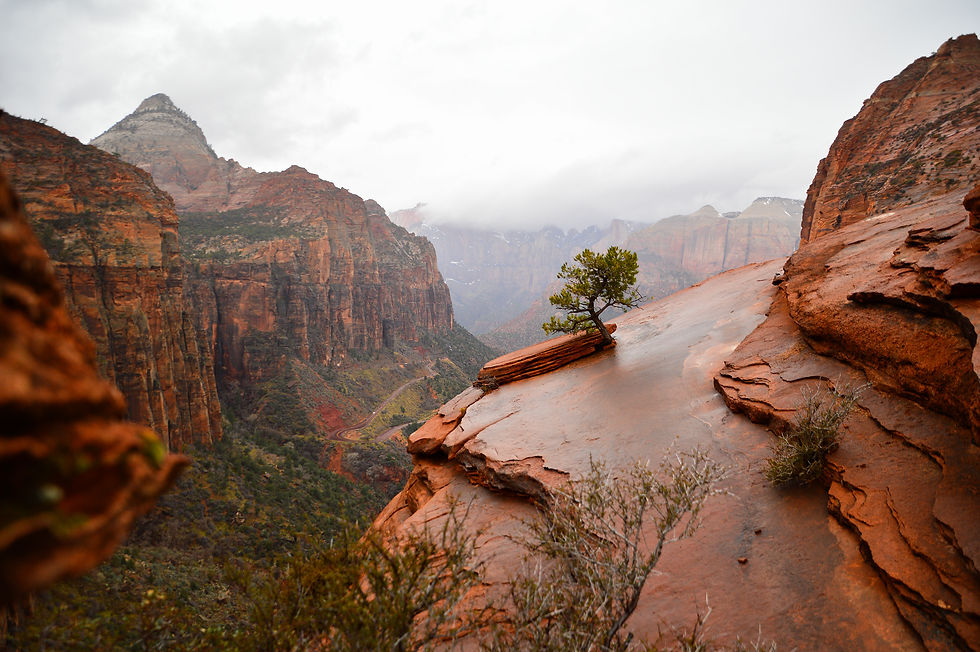
I personally think Zion is one of the best places to begin the trip, especially early in the morning before crowds begin filling the canyon. The soft morning light hitting the cliffs can create beautiful contrast and color throughout the park.
One of the best things about Zion is that you do not always need long hikes to create incredible images. Many of the pullouts and roadside areas already offer world-class scenery.
Big Bend at Sunset
Big Bend
If you decide to end your day in Zion instead of Cedar Breaks, Big Bend is one of my favorite sunset locations in the park. During the evening, warm light reflects off the sandstone cliffs and fills the canyon with glowing orange and red tones.
The curves of the canyon combined with the Virgin River create beautiful compositions, especially when clouds begin catching color overhead.

Bryce Canyon During Midday
Many photographers avoid midday light, but Bryce Canyon is one of the few places where even daytime lighting can still look incredible because of the sheer amount of texture and color in the hoodoos.
At Bryce Canyon National Park, the bright light can actually help emphasize:
The orange and red sandstone
The layered hoodoo formations
Deep shadows and texture
The scale of the amphitheater
"Even simple overlooks throughout the park provide amazing opportunities without needing difficult hikes."
Cedar Mountain Feels Like Another World
After photographing the desert landscapes of Zion and Bryce, driving through Cedar Mountain almost feels surreal. Suddenly the red rocks fade into alpine forests, cool mountain air, aspen trees, and open meadows.
This transition is one of the things I love most about Southern Utah photography. Within a relatively short drive, the scenery changes completely.
During summer, Cedar Mountain can also provide a nice break from the desert heat.

Why You Should Carry a 24mm–300mm Lens Range
One thing I highly recommend for this road trip is bringing gear that gives you flexibility.
A wide-angle lens is perfect for:
Large canyon scenes
Foregrounds
Hoodoo formations
Dramatic skies
"But having telephoto reach is equally important!"
There have been many times where I noticed:
Isolated trees on cliffs
Layers of mountains
Distant glowing rock formations
Small details deep within the canyon
…that simply could not be captured properly with a normal wide lens.
Having access to a range like 24mm–300mm allows you to quickly adapt to whatever scene appears in front of you without missing opportunities.
Some of my favorite images from Zion and Cedar Breaks were actually taken zoomed far into the landscape rather than wide.

Ending the Day at Cedar Breaks
During the summer months, Cedar Breaks National Monument may honestly be one of the best sunset photography locations in Southern Utah.
As the sun lowers, the massive amphitheater begins glowing with deep orange, amber, and red tones. The hoodoos catch light beautifully, and the cooler mountain temperatures make evening photography much more comfortable compared to lower desert elevations.
The North Rim Area
The North Rim hike and overlooks are especially beautiful during sunset because they provide wide elevated views across the amphitheater as the evening light spreads across the formations below.
Honestly though, almost anywhere in Cedar Breaks can become incredible when the sunset light hits correctly.
Southern Utah Was Made for Road Trips
What makes this photography route so special is the variety. Few places allow photographers to experience:
Massive canyon walls
Desert landscapes
Hoodoo formations
Alpine forests
Mountain overlooks
Dramatic sunsets
…all in one day.
"Every stop along the route feels completely different from the last, which keeps the entire drive inspiring from beginning to end."
Whether you finish the evening watching the cliffs glow in Zion or standing above the amphitheater at Cedar Breaks, it is hard not to leave Southern Utah feeling creatively refreshed.
-Carl
2026 Copyright by Carl Mazur Photography: That is Ultimate Southern Utah Photography!

Comments